
PU-Insulated Aluminum Roofing vs. Other Roof Coverings
With similar color, ventilation and roof construction, a polyurethane (PU) core slows heat transfer compared with bare single-skin metal. If rooms or workspaces below need insulation, start by comparing panels that combine the roof covering and insulation in one piece.[1][2][3]
Where each roof covering fits
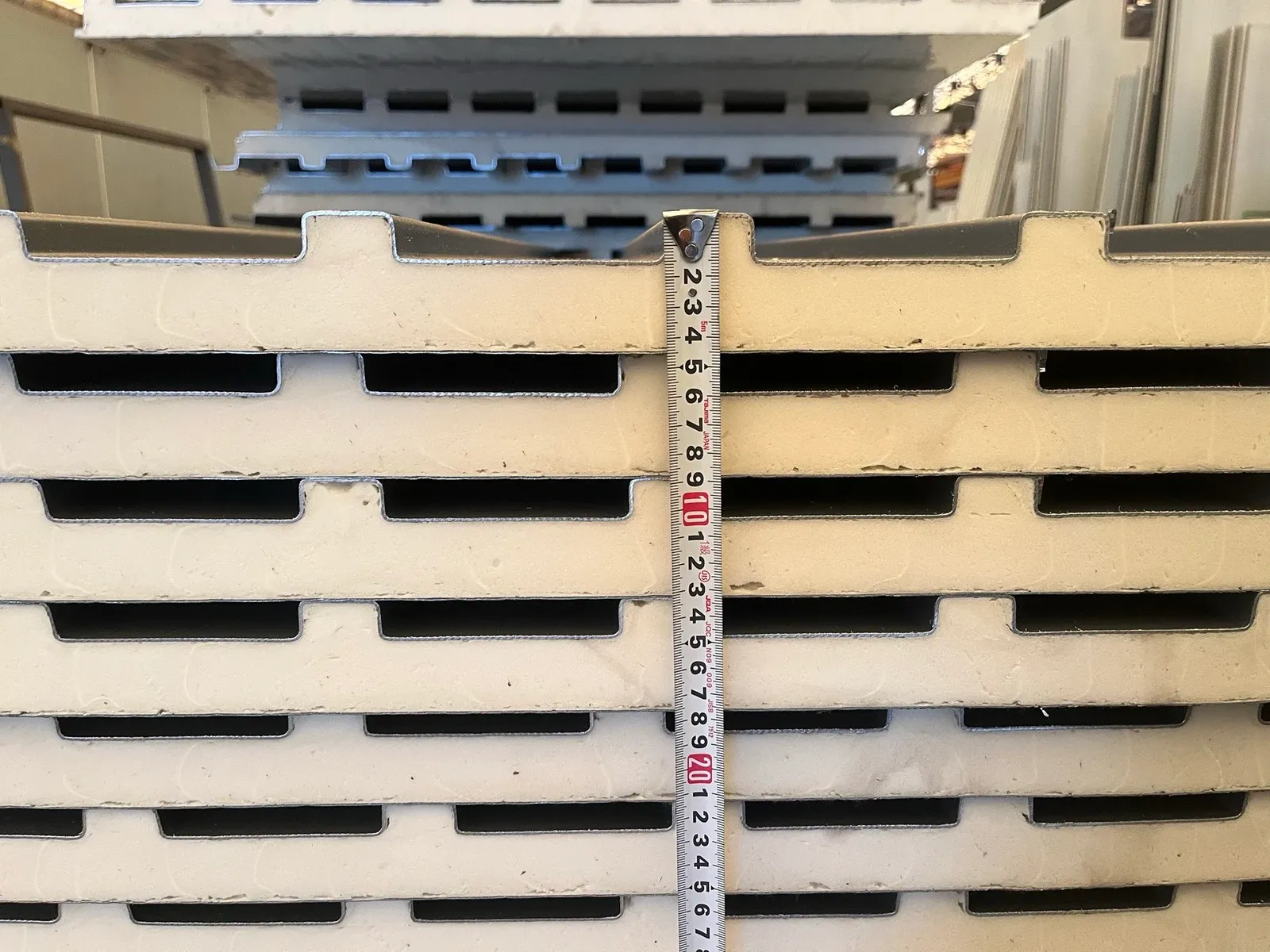
PU-insulated aluminum panels
- When to consider it
- Consider them over occupied rooms or workspaces when one panel can provide both the covering and an insulation layer.
Single-skin metal roofing
- When to consider it
- An option such as single-skin color-coated steel can suit open shelters that mainly need rain cover or roofs that already have separate insulation.
Clay or concrete tiles
- When to consider it
- Consider them for pitched roofs where the traditional tile appearance matters and the structure can support the tile weight.
Asphalt shingles
- When to consider it
- Consider them on a pitched roof with a compatible continuous deck when the shingle appearance or installation method suits the project.
- What to check
- Check decking, underlayment, drip edges and fasteners. Plan separate insulation at the roof or ceiling plane according to the building design.[5]
Synthetic resin tiles
- When to consider it
- Consider ASA-faced PVC roof tiles when a pitched roof calls for a traditional tile profile.
- What to check
- Check the panel section, support spacing, fasteners and laps for the profile selected. Where the project requires insulation, confirm whether to provide it in a separate layer.[6]
Stone wool insulated metal panels
- When to consider it
- Include suitable stone wool roofing panels in the comparison when the project has specific fire performance requirements.
Compare on the same basis before ordering
Establish how the space below will be used
Note whether it will be occupied regularly, the local climate, the roof pitch and existing insulation. Include roof color and ventilation in the comparison.
Check whether the figures describe the panel or the whole roof
Ask which product and thickness the data covers. Higher R-values indicate greater thermal resistance. Lower U-values indicate less heat transfer. Compare the same figure, units and scope of construction.
Use the same covered area and insulation target
Estimate quantities from the effective cover width and roof area. Compare quotes including the insulation, trims, substrate and installation needed to reach the same thermal target.
Start with PU-insulated aluminum when the priority is to slow heat entering through the roof and combine the covering and insulation in one panel. For an open shelter, a previously insulated roof or a project with a specific fire requirement, choose around the use and the full roof assembly.
References
- U.S. Department of Energy · Insulation and Air Sealing Essentials
- Metal Construction Association · Selection Guideline for Insulated Metal Panels
- U.S. Department of Energy · Consumer Guide to Cool Roofs
- Building America Solution Center · Clay or Concrete Tile Roofs
- Building America Solution Center · Asphalt Shingle Roofs
- LESSO · Resin Roof Tiles and PVC Roof Sheet Construction
- ROCKWOOL · Stone Wool for Sandwich Panels